


Deep breath: Pharmacy's role in respiratory health
Arthur Walsh,
26 Mar 2026 1 Min
1 Min

Arthur Walsh,
26 Mar 20261 Min
Arthur Walsh,
26 Mar 20261 Min


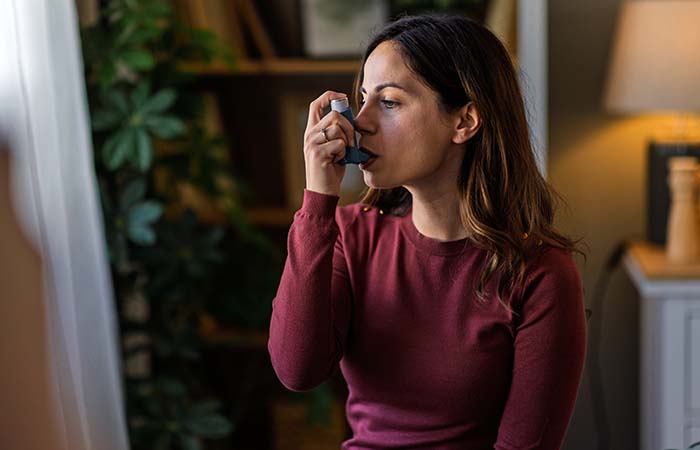
Respiratory conditions affect one in five of us and cost the NHS in England over £9 billion each year. The rate of emergency admissions for respiratory disease increased by seven per cent in the last year, with the rate for chronic obstructive pulmonary disease (COPD) up by nine per cent, asthma in adults by 17 per cent and pneumonia by 16 per cent.
Of the 1.4 million people with a diagnosis of COPD in the UK, Asthma & Lung UK found almost a quarter waited five years or more for a diagnosis. Just under nine per cent of patients receive all five NICE fundamentals of COPD care. Only 32 per cent of asthma patients in the UK receive basic care (annual review, inhaler technique checks and a written asthma action plan).
Sarah Sleet, chief executive of Asthma + Lung UK and chair of the Taskforce for Lung Health, says: “Community pharmacies are a vital element of respiratory care. By providing advice on inhaler technique, coughs and colds, and vaccinations they can provide an additional layer of support.”
Fiona McIntyre, the Royal Pharmaceutical Society’s (RPS) policy and practice lead in Scotland, says: “Community pharmacists can support lung health because they see patients frequently and often before problems escalate. Pharmacists can spot early warning signs, such as patients repeatedly buying over-the-counter cough remedies, and start timely conversations. They can identify people who may need support with improving inhaler technique or those where the interval between prescription requests suggests a need for better symptom control.”
Darush Attar-Zadeh, honorary clinical fellow respiratory pharmacist and executive chair at the Primary Care Respiratory Society (PCRS), says: “Community pharmacies can help improve lung health because they are highly accessible, trusted and have frequent contact with patients. There are several pathfinder sites showing how pharmacies can provide asthma reviews, helping to improve early intervention and free up GP capacity. They can increase awareness and improve safety through inhaler technique coaching, vaccination promotion and conversations.”
At Numark, lead information services pharmacist Kenny Chan says: “Pharmacies are easily accessible, and patients are encouraged to ask questions. Pharmacists have the knowledge and resources for patients with respiratory issues. This can range from medication reviews to showing a patient how to use an inhaler. They can highlight the role vaccines play in preventing serious respiratory illnesses.”
The government’s 10-year plan has committed to introducing Modern Service Frameworks (MSF) to improve care for major conditions and Taskforce for Lung Health is calling for the introduction of a MSF for respiratory health.
“After years of neglect, respiratory health in this country is in crisis, and it is no coincidence the UK has the highest death rate from lung disease in Europe. This is why we are calling for the government to introduce a MSF for respiratory health. Such a plan would have a focus on neighbourhood health and enable people to access a swift diagnosis and good respiratory care closer to home. Community pharmacy would be the bedrock of this vision by helping people with lung conditions to manage their medication and monitor any changes to their breathing, as well as signposting them to smoking and vaping cessation services and advice on damp and mould,” says Sleet.
Community Pharmacy England (CPE) has joined with Taskforce for Lung Health in calling for pharmacists to be given a wider role in supporting patients’ lung health. “With the health secretary aiming to shift healthcare from hospital to community, there’s no better time to harness community pharmacy’s full potential. Our joint action plan demonstrates how to use the sector’s skills and accessibility to make a real difference to patients,” says Alistair Buxton, CPE’s director of NHS services.
The plan makes three clear recommendations:
Commissioning pharmacies to provide further NHS vaccination programmes to help address falling vaccine coverage, particularly for less well served groups
Broaden the eligibility for the Community Pharmacy Smoking Cessation service to support many more people to stop smoking
Develop a Community Pharmacy Prescribing Service to expand the role of the pharmacist, with provision of annual asthma reviews.
YouGov polling found that most people would support these proposals. The poll revealed that four in five people across England would support increasing the range of respiratory health services offered by pharmacists, including assessment and support for people with asthma (85 per cent), preventative measures such as a wider range of vaccines (83 per cent) and stop smoking services (84 per cent).
The British Thoracic Society, National Institute for Health and Care Exccellence (NICE) and the Scottish Intercollegiate Guidelines Network have introduced a new guideline on asthma, which brings together recommendations on diagnosing, monitoring and managing asthma in adults and children.
Lynn Elsey, consultant respiratory pharmacist at Manchester University NHS Foundation Trust, says: “Community pharmacists should be aware that the new asthma guidelines mark a significant change in asthma treatment by moving toward a short acting beta agonist (SABA)-free, anti-inflammatory reliever (AIR) pathway to improve asthma control and reduce the risk of exacerbations. The guidelines no longer recommend the use of SABA for mild to moderate asthma patients over the age of 12. All patients should now receive a combination inhaler containing inhaled corticosteroid and the long-acting beta agonist formoterol. Initially, this combination inhaler can be used when required as AIR therapy or when this is not sufficient asthma patients should receive maintenance and reliever therapy (MART). The main benefit of using a combination inhaler is a significantly lower risk of severe exacerbations, hospitalisations and A&E visits compared to SABA alone.”
The new guidelines also recommend changes in assessments to simplify diagnosis. This includes objective tests (eg eosinophil count and fractional exhaled nitric oxide breath tests) alongside traditional spirometry and peak flow.
McIntyre says: “For patients using the combination inhalers, pharmacists should explain that the same inhaler may be used for both daily treatment and symptom relief. Patients need to understand dose limits, the importance of carrying the inhaler and that frequent use signals poor control and the need for review.”
Elsey says: “Pharmacists can highlight patients who are still only receiving a SABA inhaler and patients who are receiving three or more SABA inhalers a year which indicates poor control. It is vital patients understand how to use their new inhaler correctly as poor technique can lead to poor control.
Pharmacists can play a vital role in ensuring patients understand why their treatment has changed, how the combination inhaler works to provide the same relief as SABA but with more benefits and ensuring the patient is using the correct technique.”
We know that smokers are three times more likely to quit with support from a stop smoking service. Since 2022, the only commissioned NHS community pharmacy smoking cessation service available in England is via the Community Pharmacy Contractual Framework, where smokers put on a quit programme in hospital are referred to continue the support.
CPE and Taskforce for Lung Health would like to see a national community pharmacy smoking cessation service established that all smokers could access without a referral.
Attar-Zadeh says: “Pharmacists can become quit catalysts and offer support in less than 30 seconds. Ask- if they smoke; Advise – the best way to stop is with a combination of support and treatment; and Act – signpost to services available.”
Chan advises: “Highlight the benefits to smoking cessation. Emphasise how quitting can improve breathing, reduce symptoms and enhance quality of life.
“Discuss the different options for cessation and help patients develop a personalised quit plan. Then follow up, having regular check ins to discuss their progress.”
Asthma affects 7.2m in the UK and the lifetime prevalence of clinician diagnosed asthma is 15.6 per cent, which is among the highest worldwide. Up to 5.4m in the UK are currently receiving treatment for asthma.
The main signs to recognise include:
Wheeze, noisy breathing, cough, breathlessness and/or chest tightness
Symptoms are commonly episodic and variable over time and in intensity
Symptoms may be triggered by exercise, laughter, crying, viral respiratory infection, change in temperature and humidity, smoke or other allergens.
Advice to pass on:
Avoid known triggers where possible (eg allergens)
Advise on smoking cessation services
Advise on weight control if needed
Encourage regular exercise
Ensure patient is up to date with vaccinations.
“Encourage patients to have a personalised asthma action plan, developed with their healthcare provider. Review the plan with them to ensure they know how to respond to worsening symptoms. Invite patients for regular check-ins to discuss their asthma control, medication adherence and any changes in symptoms,” says Chan.
COPD is the third leading cause of death worldwide and affects around three million in the UK, with two million of these undiagnosed. It is the second commonest cause of emergency admissions to hospital and accounts for 1.4m GP consultations each year.
Around 90 per cent of cases are associated with smoking and 20 per cent to occupational exposure.
“Pharmacists can support people with COPD by focusing on the practical factors that affect day-to-day control. This includes regularly checking inhaler technique and simplifying treatment where possible. Pharmacists can also help patients recognise early signs of exacerbations, understand their action plans and reinforce smoking cessation,” says McIntyre.
Signs to look for:
Age 35+ with a risk factor and one or more of the following:
Breathlessness
Chronic/recurrent cough
Regular sputum production
Frequent lower respiratory tract infections
Wheeze.
Advice to pass on:
Offer smoking cessation support when needed
Offer flu and pneumococcal vaccinations
Timely diagnosis improves quality of life and outcomes, so active case finding is encouraged, including performing spirometry on people with symptoms
Encourage regular physical exercise
Advise on correct inhaler technique
Offer healthy diet advice.
“Pharmacy teams can help asthma patients use their medicines more effectively by routinely checking inhaler technique and asking patients to demonstrate how they use their inhaler. They can spot common errors, reinforce regular use of preventer inhalers and identify signs of poor control, such as frequent reliever use. Ensuring patients understand their action plan and when to seek help can prevent avoidable asthma attacks,” says the RPS’s McIntyre.
Pharmacists can help to identify more potential cases of COPD among their customers, says Attar-Zadeh of the PCRS: “Pharmacists can make every contact count, eg during a flu vaccination, asking about common symptoms such as long-term cough, breathlessness, wheeze or getting tired more easily than before. They can also pick up early warning signs through day-to-day practice, eg people who regularly buy cough medicines, are using reliever inhalers frequently or say they get chest infections each winter.”
The biggest impact that community pharmacy staff can make on asthma care is by giving advice on inhaler technique, says Attar-Zadeh. “Simply asking patients to show how they use their inhaler can quickly identify problems, and staff can then provide hands on coaching using placebo devices. For patients using combination inhalers, explain that these are used both regularly and as needed for symptoms, replacing the traditional blue inhaler. It is important to reinforce maximum daily doses, when to seek help, and to ensure patients understand these contain a steroid as well as a reliever.”
A pictorial guide such as this from PCRS can be helpful: www.pcrs-uk.org/resource/current/anti-inflammatory-reliever-air-asthma-action-plan
Chan at Numark says: “Patients with COPD tend to take multiple items to control different aspects of their condition. Check whether their medicines regimes could be simplified. Even synchronising their medication so everything can be ordered at the same time helps reduce the number of GP and pharmacist visits. Pharmacists should be able to recognise the symptoms associated with COPD and also be aware of anyone who frequently purchases items such as decongestants and nasal sprays.”


